
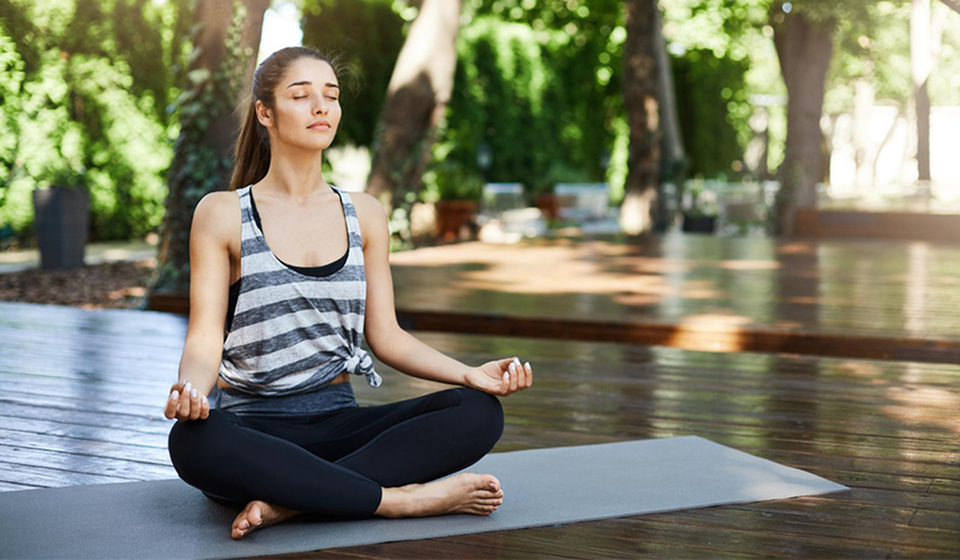
The student experience is filled with academic expectations, personal growth, and constant deadlines. While exciting, this phase of life can also bring significant stress and anxiety, often impacting well-being and academic performance. In recent years, meditation has gained attention as a practical solution for managing stress. But does it make a difference? This blog explores how meditation interventions can influence student mental health, reduce anxiety, and build lasting coping mechanisms, especially in high-pressure environments.
The rising pressure among students today
Students face various stressors, including academic pressures, social dynamics, and the looming uncertainty of future careers. Internship interviews add another layer of stress, requiring students to present themselves confidently and competently. This cumulative stress can lead to anxiety, affecting performance and overall well-being.
Meditation involves practices that promote relaxation, focus, and awareness. Techniques such as mindfulness meditation encourage individuals to observe their thoughts and feelings without judgment. Regular meditation can reduce cortisol levels, the hormone associated with stress, and improve emotional regulation. Students who participated in a six-week meditation program reported significant reductions in stress and anxiety levels.
What is meditation, and why is it gaining popularity?
Meditation is a practice that involves focusing the mind to promote awareness, calmness, and emotional clarity. While it comes in various forms—mindfulness meditation, guided sessions, breathing techniques—the core goal remains: grounding the individual in the present moment and reducing overwhelming thoughts.
What makes meditation especially effective for students is its accessibility. You don’t need any equipment or prior experience. A quiet space in your Waterloo student housing, a few minutes, and a willingness to focus are often enough to start.
How meditation impacts stress and anxiety levels
Meditation is not just a relaxation technique — it's a powerful mental exercise that can help students academically and emotionally thrive. With growing pressure from exams, social expectations, and future planning, many students struggle to stay focused and calm. Here’s how meditation can make a significant impact:
- Improves focus and academic performance: One of the most well-documented benefits of meditation is its ability to improve concentration. Regular mindfulness practice has strengthened attention span, which is vital for students managing heavy workloads or preparing for internship interviews. Meditating for 10 minutes daily over two weeks improved focus and reduced mind-wandering during lectures and study sessions.
- Reduces stress and anxiety: Academic deadlines, social dynamics, and uncertainty about the future often lead to chronic stress among students. Meditation helps regulate the body's stress response by reducing the production of cortisol, the primary stress hormone. Students who participated in mindfulness-based interventions showed a noticeable decrease in anxiety symptoms and stress-related behaviours.
- Improve emotional well-being: Meditation encourages a non-judgmental awareness of thoughts and feelings, which can help students navigate emotional ups and downs more effectively. It cultivates emotional resilience, making staying calm and positive during challenging situations easier. Consistent mindfulness meditation is linked to improved mood, lower levels of depression, and greater emotional stability.
- Improves sleep quality: Sleep deprivation is common among students and can significantly affect academic performance and mental health. Meditation improves sleep quality by calming the nervous system and promoting relaxation. Mindfulness-based techniques can be beneficial for students who suffer from insomnia or pre-sleep anxiety. Better sleep leads to sharper thinking, improved mood, and overall daily functioning.
- Encourages better decision-making: With greater clarity of mind and reduced emotional reactivity, students who meditate regularly tend to make more thoughtful and balanced decisions. This can be especially useful during transitional phases, like selecting an internship, choosing a career path, or managing personal relationships.
Incorporating meditation into daily routines
Integrating meditation into daily life doesn't require extensive time commitments. Even short sessions can yield benefits:
- Start with brief sessions: Begin with 5-10 minutes of meditation each day, gradually increasing the duration as comfort grows.
- Use guided meditations: Numerous apps and online resources offer sessions tailored to beginners.
- Establish a routine: Consistent practice, even if brief, is more beneficial than sporadic, longer sessions.
- Create a conducive environment: Find a quiet space, free from distractions, to practice meditation effectively.
At King Street Towers, we understand that student life involves more than just academics. It's about finding a place to focus, recharge, and grow into your best self. Our fully furnished Waterloo Student Housing is designed with your well-being in mind—from quiet study lounges and wellness-focused amenities to private suites that give you the space you need to thrive.
If you're looking for student housing that helps you stay mentally and academically balanced, explore what we offer. Meditation might just be the beginning of a more focused and fulfilling chapter, and we’re here to support you every step of the way.